
Dual timelines with women on both sides trying to survive in a world dominated by men.
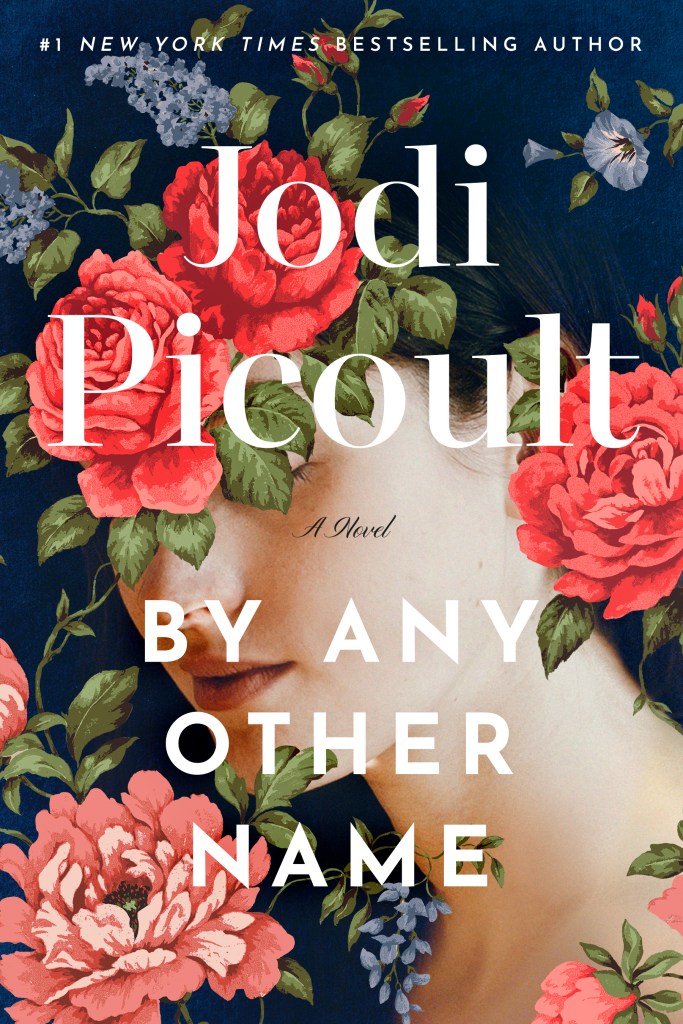
Summary: In 1581, Emilia Bassano—like most young women of her day—is allowed no voice of her own. But as the Lord Chamberlain’s mistress, she has access to all theater in England, and finds a way to bring her work to the stage secretly. And yet, creating some of the world’s greatest dramatic masterpieces comes at great cost: by paying a man for the use of his name, she will write her own out of history.
In the present, playwright Melina Green has just written a new work inspired by the life of her Elizabethan ancestor Emilia Bassano. Although the challenges are different four hundred years later, the playing field is still not level for women in theater. Would Melina—like Emilia—be willing to forfeit her credit as author, just for a chance to see her work performed?
Told in intertwining narratives, this sweeping tale of ambition, courage, and desire asks what price each woman is willing to pay to see their work live on—even if it means they will be forgotten.
Review: I have never read Jodi Picoult before, and was lucky to get a direct link to this ARC via publisher outreach on Netgalley. I loved this book, and will definitely rad more by the author in the future!
Emilia Bassano is a woman – a girl, really – in the late 1500s whose station in life is entirely at the whims of men. When she finds herself as mistress to the Lord Chamberlain, she begins to see that there may yet be a way for her love of stories to come to life. But along the way she finds heartbreak, and trials, and runs into wall after wall that society has erected to keep women down and deny them a chance to live a life not yoked to a man.
Melania Green is a young playwright whose life takes a turn after a disastrous meeting with a critic who does not see the value in her writing. Through a series of choices (and a drunken error in judgment by her friend Andre), Melina’s latest play finds a home, but not exactly under her own name. What her play also finds is the same critic that had previously knocked Melina off course. Could she make things turn out differently this time?
We see the parallels and deviations of Melina’s and Emilia’s lives unfold in dual timelines. Emilia is actually a distant relative of Melina and is thought to be a contender for the person who may have actually written plays published under the William Shakespeare name. Melina’s new play is a journey to give this theory new life, to show how then, as now, women were not afforded the same opportunities as men. How they must fight for visibility, or fall victim to their own names being lost forever to those of a man.
I loved this book. It is a candid look at what women have endured – and continue to endure – to get recognition. How the structures of society and community afford usually white men to be the gatekeepers of what gets made, and can often fail to recognize the value in stories that are not of their own or a similar experience. I loved both timelines and stories, but Emilia’s was particularly heartbreaking. To see everything she fought through, to be relegated to footnotes and forgotten history until Melina managed to bring her back to the light. The lives of both women are woven together in a story that has universal themes that we could all take a moment to interrogate more closely.
Final Thoughts: Loved, loved, loved this book! Especially Emilia’s storyline. She faced so much of an uphill climb. I also enjoyed the ties to the ongoing question of just who Shakespeare was, and who wrote his works (if not him). It was a great twist to the story and gave us some memorable characters and very much real-life experiences that still happen today in so many fields and professions (and life in general). Publication date is August 20th, 20204.
 scijessreads
Leave a comment